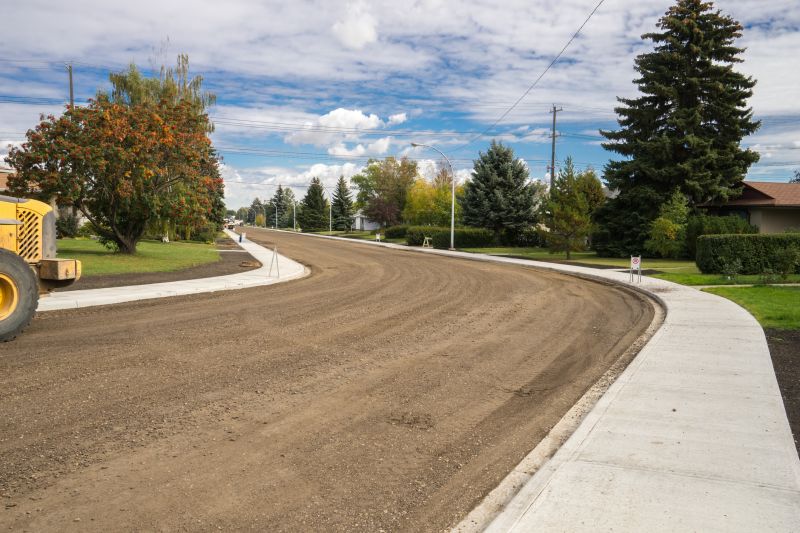
Driveway Grading in Houston, TX
Driveway grading services involve leveling and shaping the surface of a driveway to ensure proper drainage and a smooth, even appearance. This process is commonly requested for projects such as new driveway installations, repairs to existing driveways, or preparing a property for paving or sealing. Property owners typically want to understand how grading can prevent water pooling, reduce erosion, and improve the overall functionality and longevity of their driveway.
Before requesting driveway grading, homeowners should consider the current condition of their driveway, including any signs of unevenness, cracks, or drainage issues. It’s also helpful to know the type of driveway surface, such as asphalt, concrete, or gravel, as this can influence the grading approach. Clear information about the driveway’s size, existing slope, and surrounding landscape can assist in planning a grading solution that effectively manages runoff and enhances the property's curb appeal.
Many property owners in Houston, TX look into Driveway Grading for repairs, replacements, upgrades, and appearance-related improvements.
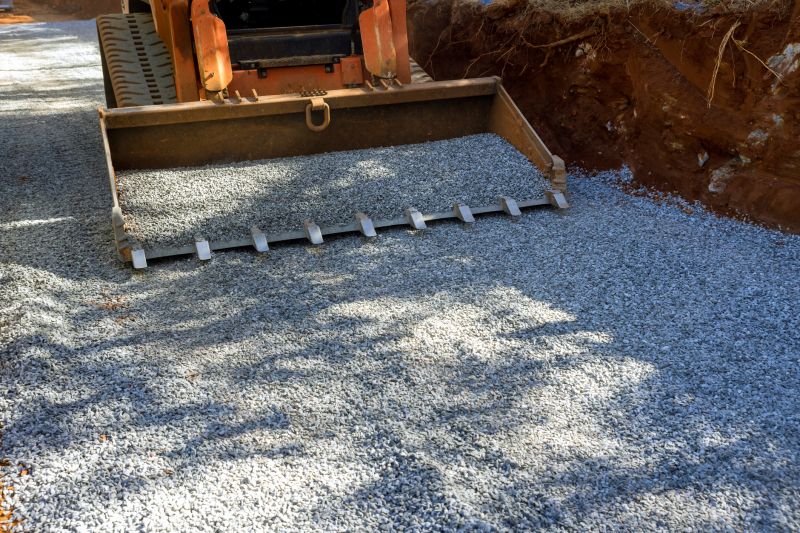
Ensuring Proper Drainage
Driveway grading helps prevent water pooling and directs runoff away from your property in houston, tx.
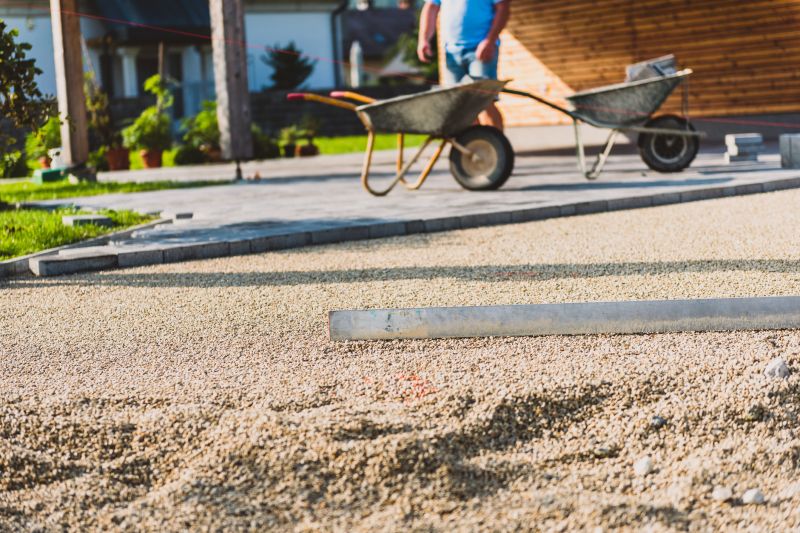
Enhancing Driveway Stability
Proper grading creates a solid foundation that reduces the risk of cracks and uneven surfaces over time.
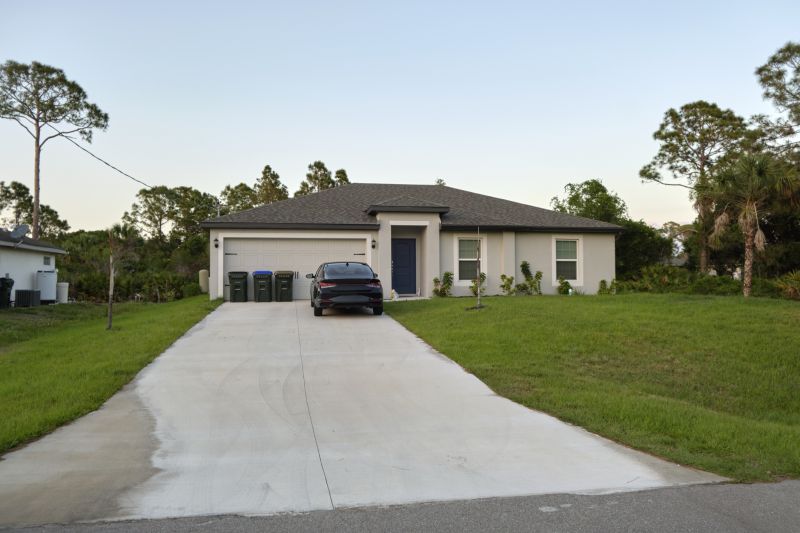
Preparing For Future Projects
A well-graded driveway provides a smooth base for paving, sealing, or other driveway improvements in houston area homes.
Driveway Grading in Houston, TX

Driveway grading services involve leveling and shaping the surface of a driveway to ensure proper drainage and a smooth, even appearance. This process is commonly requested for projects such as new driveway installations, repairs to existing driveways, or preparing a property for paving or sealing. Property owners typically want to understand how grading can prevent water pooling, reduce erosion, and improve the overall functionality and longevity of their driveway.
Before requesting driveway grading, homeowners should consider the current condition of their driveway, including any signs of unevenness, cracks, or drainage issues. It’s also helpful to know the type of driveway surface, such as asphalt, concrete, or gravel, as this can influence the grading approach. Clear information about the driveway’s size, existing slope, and surrounding landscape can assist in planning a grading solution that effectively manages runoff and enhances the property's curb appeal.
Many property owners in Houston, TX look into Driveway Grading for repairs, replacements, upgrades, and appearance-related improvements.
Common Driveway Grading Jobs
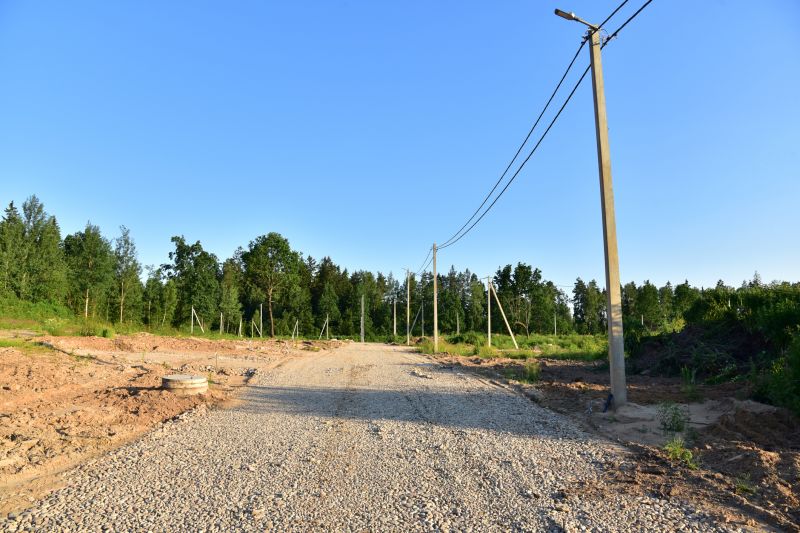
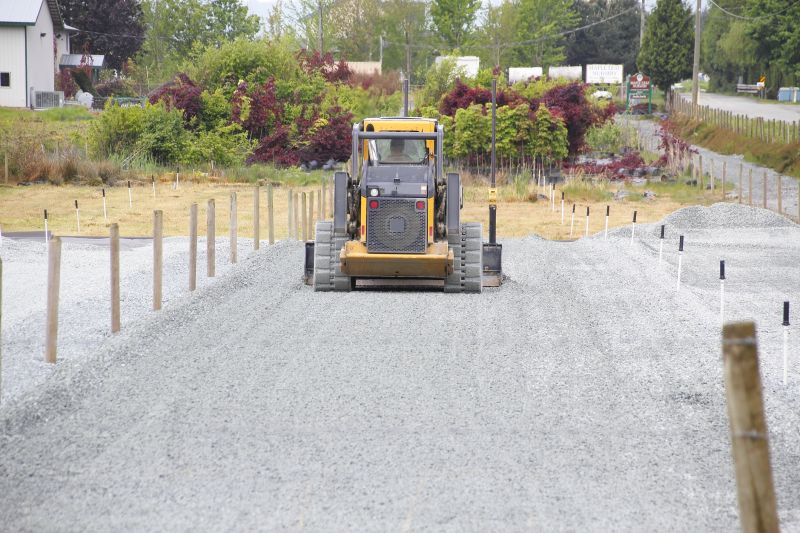
Driveway grading involves leveling and shaping the surface for proper drainage and stability.
Residential driveway grading helps prevent water pooling and reduces erosion around the property.
Commercial driveway grading ensures safe and durable access for customers and employees.
Uneven driveway surfaces can be corrected to improve appearance and functionality.
Drainage issues are addressed through proper grading to protect the driveway and surrounding landscape.
Driveway restoration includes regrading to extend the lifespan of existing pavement.

Driveway Grading Questions
What is driveway grading? Driveway grading involves leveling and shaping the surface to ensure proper drainage and a smooth driving area.
Why is driveway grading important? Proper grading prevents water pooling, reduces erosion, and extends the lifespan of the driveway surface.
What types of driveway surfaces can be graded? Gravel, asphalt, and concrete driveways can all benefit from grading to improve their condition and appearance.
When should driveway grading be considered? Grading is recommended when there are signs of uneven surfaces, water drainage issues, or after significant soil movement around the property.
Request Driveway Grading in Houston, TX
Use the quote form on this page to share the basics of your project and request more information for the type of work you need.